
Autos
Understanding The Essential Role And Importance Of Car Crankshaft Repairs
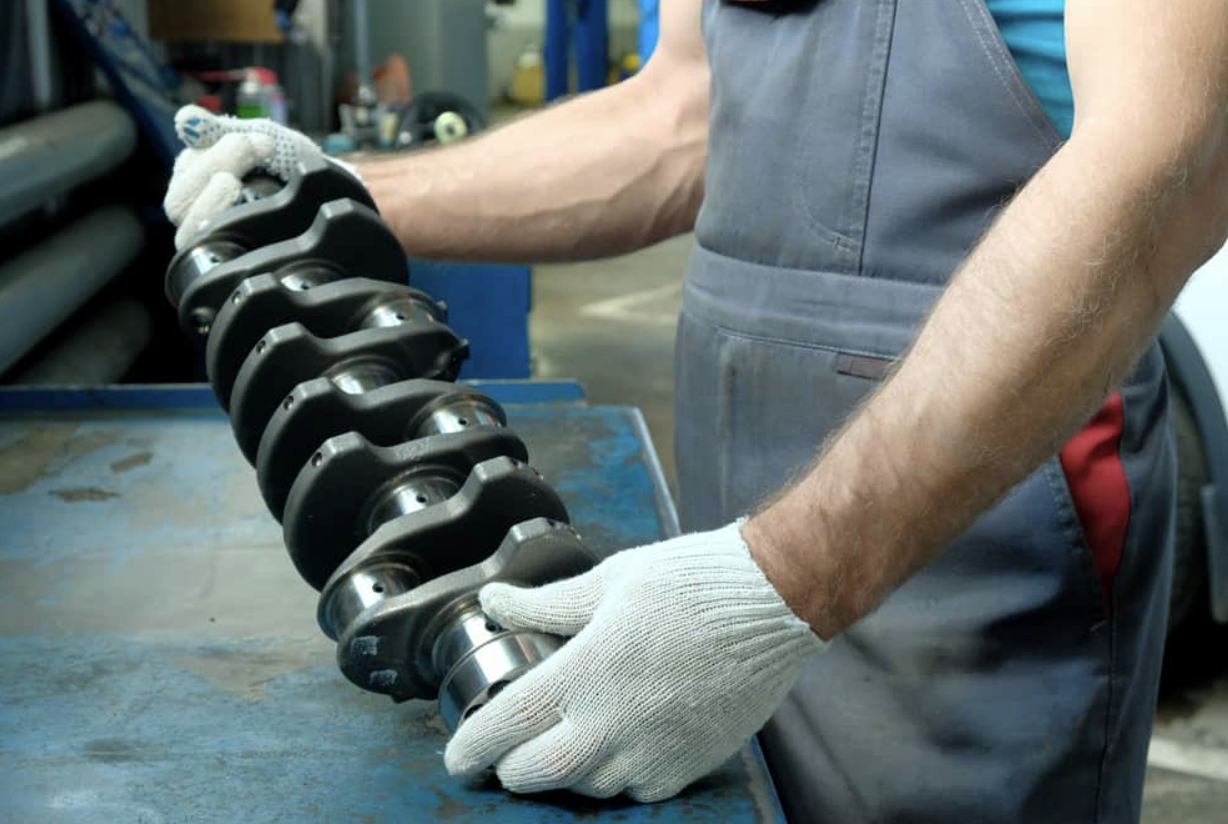
When it comes to vehicle maintenance, most drivers focus on visible elements like oil changes, brake pads, or tyres. However, beneath the hood lies one of the most crucial yet overlooked components — the crankshaft. This mechanical marvel forms the backbone of your engine, converting energy into motion and ensuring your car runs smoothly. Without it, your car wouldn’t even start. In this comprehensive guide, we’ll explore the critical role of the crankshaft, signs of wear, the process of repair, and why timely car crankshaft repairs are essential to your vehicle’s performance and longevity.
What is a Crankshaft and Why Does It Matter?
At its core, the crankshaft is the heart of your car’s engine. It converts the up-and-down (reciprocating) motion of the pistons into rotational motion that drives the wheels. This rotation is what ultimately propels your car forward. Every time you press the accelerator, the crankshaft works tirelessly to ensure that the engine’s power is efficiently transformed into usable motion.
Because the crankshaft handles significant mechanical stress and rotational forces, it’s one of the most precisely engineered parts in your engine. Any imbalance, damage, or wear can severely impact your car’s performance. That’s why regular car crankshaft repairs and maintenance checks are so important — they keep the engine operating smoothly, ensure fuel efficiency, and prevent potential engine breakdowns.
The Vital Role of the Crankshaft in Engine Synchronisation
Beyond generating movement, the crankshaft maintains harmony within the engine. It coordinates with the camshaft through a timing belt or chain, ensuring that the valves open and close at the correct intervals. This precise timing allows for optimal combustion and prevents engine misfires.
When the crankshaft is compromised, this delicate synchronisation is disrupted, leading to rough idling, engine knocking, and loss of power. These are early indicators that your vehicle might require car crankshaft repairs to restore balance and prevent larger mechanical issues.
Common Signs Your Crankshaft May Need Repairs
Crankshaft problems often develop gradually, making them difficult to detect until the damage becomes severe. Here are some key warning signs to watch for:
- Unusual Engine Vibrations:
Excessive vibrations from the engine bay may indicate a worn or imbalanced crankshaft. This happens when bearings wear out or journals become uneven. - Loss of Engine Power:
A damaged crankshaft affects power transmission, causing sluggish acceleration and reduced overall performance. - Oil Leaks:
Leaks around the front or rear of the engine could stem from worn crankshaft seals. Ignoring them can lead to oil contamination and further damage. - Knocking or Tapping Sounds:
Metallic knocking sounds can signal a worn crankshaft bearing or journal. This is a red flag that immediate car crankshaft repairs are needed. - Check Engine Light:
A crankshaft sensor malfunction or misalignment can trigger this warning. It’s best to have it diagnosed promptly by a qualified mechanic.
If any of these symptoms appear, it’s crucial not to delay inspection. Early diagnosis can prevent catastrophic engine damage and significantly reduce repair costs.
The Detailed Process of Car Crankshaft Repairs
Repairing or reconditioning a crankshaft is a technical process that requires expertise and precision machinery. Here’s an overview of how professionals handle car crankshaft repairs:
- Inspection and Measurement:
The crankshaft is removed and inspected for cracks, scoring, or distortion. Micrometers and gauges are used to check tolerances against manufacturer specifications. - Crack Detection:
A process like magnetic particle inspection (MPI) or dye penetrant testing helps identify microscopic cracks that aren’t visible to the naked eye. - Grinding and Polishing:
Damaged journals are ground down and polished to ensure smooth surfaces that fit perfectly with the bearings. This step is crucial for maintaining oil clearance and reducing friction. - Balancing:
Once machining is complete, the crankshaft is balanced to prevent vibration and uneven wear during operation. - Reassembly and Testing:
After reinstallation, the mechanic tests the engine for vibrations, pressure consistency, and overall performance to confirm that the car crankshaft repairs were successful.
This process demands a skilled technician and high-quality tools. Attempting DIY repairs or trusting unqualified mechanics can lead to further damage, resulting in even higher repair bills.
Benefits of Timely Crankshaft Repairs
Keeping up with crankshaft maintenance offers numerous long-term advantages for your car’s performance and reliability:
- Enhanced Engine Efficiency:
A well-maintained crankshaft ensures that all engine components work in perfect synchrony, improving fuel economy and power output. - Reduced Risk of Engine Failure:
Timely car crankshaft repairs can prevent serious issues like broken connecting rods or damaged pistons, both of which can cause total engine failure. - Extended Vehicle Lifespan:
Proper care of your crankshaft means less wear on other engine parts, extending your car’s overall service life. - Smoother Driving Experience:
A balanced crankshaft eliminates vibrations and noise, offering a quieter, more comfortable ride.
When Is Replacement Better Than Repair?
In some cases, the crankshaft may be too damaged for effective repair. Deep cracks, severe warping, or extensive wear can make replacement a more practical choice. The decision often depends on factors such as:
- Age and value of the vehicle
- Availability of replacement parts
- Extent of the damage
- Cost of repair versus replacement
Your mechanic will typically advise whether a complete engine rebuild or replacement crankshaft is the better long-term option.
FAQs About Car Crankshaft Repairs
- How long do crankshaft repairs take?
Depending on the severity of the damage, repairs can take anywhere from a few hours to several days. More extensive damage requires precision machining, which takes longer. - What is the average cost of crankshaft repairs?
The cost varies depending on your car’s make and model, labour rates, and the extent of the repair work. Always request a detailed quote from your mechanic before proceeding. - Can I drive with a damaged crankshaft?
Driving with a compromised crankshaft is strongly discouraged. It can lead to severe engine damage, breakdowns, and costly repairs down the line. - How can I prevent crankshaft issues?
Regular oil changes, using the correct grade of engine oil, and maintaining your car’s cooling system are effective ways to prevent wear and tear on the crankshaft.
Conclusion
The crankshaft is far more than just another engine component — it’s the mechanical heart that keeps your vehicle alive and moving. Neglecting it can lead to poor performance, high repair costs, or even complete engine failure. By recognising warning signs early and scheduling timely car crankshaft repairs, you not only protect your vehicle but also ensure a safer and smoother driving experience.
Routine inspections, proper lubrication, and professional care are the keys to keeping your engine’s core healthy. Remember, a well-maintained crankshaft means a reliable car — and that’s something every driver deserves.



Affordable and Efficient Mineral Water Supplier Services with Cold Water Dispensers
Staying hydrated is essential, whether at home or in the office. In Singapore, where the climate is warm and humid...


How Regular Car Service Appointments Improve Safety and Performance
Keeping your vehicle in top condition is essential not only for its reliability but also for your peace of mind...


Swimming Lessons Punggol: Private Swimming Lessons for Kids at Condo Pools
Life in Punggol has its own charm — a blend of modern living, family-friendly communities, and beautiful waterfront surroundings. Among...

Understanding Cooling and Protection Systems in Rectifier Transformers
Cooling and protection systems that are efficient are crucial for the rectifier transformers’ performance and reliability. The systems are responsible...

Understanding The Essential Role And Importance Of Car Crankshaft Repairs
When it comes to vehicle maintenance, most drivers focus on visible elements like oil changes, brake pads, or tyres. However,...

Understanding The Advantages Of Teflon Drawer Slides In Furniture Design
Have you ever struggled to pull open a stubborn drawer, or winced at the loud clank of your old metal...


Small to Medium Enterprise Success in Indian Castings
Small and Medium Enterprises (SMEs) in India are basically the foundation of the country’s manufacturing unit and hence innovation, jobs...


Stylish and Durable: Integrated Doors and Quartz Table Tops from Pryon International
When it comes to interior design, the choice of materials and finishes plays a crucial role in defining both the...


Boost Business Efficiency with Accounting & Secretarial Support
In today’s fast-paced business environment, small businesses in Singapore are expected to remain agile, compliant, and efficient to thrive. However,...


Discover Top-Quality Seafood from The Fish Farmer, Your Trusted Supplier
When it comes to enjoying the freshest and most flavorful seafood in Singapore, The Fish Farmer is the trusted name...


Transform Your Space: The Best Interior Design at Tradehub 21 by SG Home Furnishing
A well-designed interior space is more than just aesthetics—it’s about creating a home that feels uniquely yours, functions effortlessly, and...


The Power of Market Research in Shaping Marketing Strategies
Introduction Market research companies are essential players in shaping the success of any business. In today’s highly competitive and data-driven...


What to Consider Before Starting a Construction Project
If you are starting your own construction project, there are a few things that you will need to consider. It...


The Secret Details That Make Luxury Buildings Stand Out
When it comes to property, luxury isn’t all about the size of the building. Location doesn’t even qualify a property...


Essential Factors To Consider When Hiring Skip Services In Cranbourne
Have you ever started a home renovation only to realise your regular bins can’t handle the waste? Or worried about...
-

 Tech11 years ago
Creating An e-Commerce Website
-

 Tech11 years ago
Design Template Guidelines For Mobile Apps
-

 Business6 years ago
What Is AdsSupply? A Comprehensive Review
-

 Business10 years ago
The Key Types Of Brochure Printing Services
-

 Tech8 years ago
When To Send Your Bulk Messages?
-

 Tech5 years ago
5 Link Building Strategies You Can Apply For Local SEO
-

 Law5 years ago
How Can A Divorce Lawyer Help You Get Through Divorce?
-

 Home Improvement6 years ago
Hоw tо Kеер Antѕ Out оf Yоur Kitсhеn