
Home Improvement
Step-by-Step Guide to Detecting and Clearing Blocked Drains

Have you ever noticed water pooling around your feet during a shower? What about that gurgling sound coming from your kitchen sink? Or perhaps you’ve caught a whiff of something unpleasant near your bathroom drain?
If any of these scenarios sound familiar, you’re likely dealing with a blocked drain. It’s one of those household problems that starts small but can quickly spiral into a costly nightmare. The good news? Most drainage issues can be tackled with a bit of know-how and the right approach.
In this guide, we’ll walk you through everything you need to know about detecting and clearing blocked drains. From spotting the early warning signs to mastering DIY techniques, you’ll learn the best way to clear blocked drains and keep your plumbing running smoothly year-round. Whether you’re dealing with a blocking sink drain in the kitchen or a roof drain pipe clogged with debris, we’ve got you covered.
How to Spot a Blocked Drain Before It Becomes a Disaster
Common Warning Signs of Clogged Drainage
Catching a blockage early can save you heaps of trouble down the track. The most obvious sign is slow-draining water. If your sink takes ages to empty or water pools in your shower, something’s not right.
Keep an ear out for gurgling sounds coming from your drains or toilet. This happens when air gets trapped by the blockage and pushes back through the system. Another telltale sign is unpleasant odours rising from your drains—this usually means organic matter is decomposing somewhere in your pipes.
Water backing up in unexpected places is a serious red flag. If flushing your toilet causes water to rise in your shower drain, you’ve got a problem that needs immediate attention.
What Causes Drain Blockages in Australian Homes?
In Australian homes, several culprits commonly cause clogged drainage. In the kitchen, grease and food scraps are the main offenders. That bacon fat you poured down the sink? It solidifies and creates a sticky trap for other debris.
Bathrooms typically suffer from hair and soap scum buildup. These combine to form stubborn clogs that gradually restrict water flow. Tree roots are another major issue, particularly in older Australian suburbs where established trees seek out moisture in underground pipes.
Foreign objects, wet wipes (even those labelled “flushable”), and mineral buildup also contribute to stopped up drains throughout the home.
How Do I Fix a Clogged Drain? Your Complete DIY Toolkit
Essential Tools for Clearing Blocked Drain Pipes
Before tackling any drain blockage removal, gather your toolkit. A quality plunger is essential—get both a cup plunger for sinks and a flange plunger for toilets. A drain snake (also called a plumber’s auger) handles stubborn blockages that plunging won’t shift.
You’ll also want rubber gloves, a bucket, old towels, and a torch for peering into drains. For outdoor drains, consider a high-pressure hose attachment. Keep some bicarbonate of soda and white vinegar on hand for natural cleaning solutions.
Safety Precautions Before You Start
Safety first, always. Wear rubber gloves to protect your hands from bacteria and any chemical residue in the pipes. If you’re using any commercial products, ensure the area is well-ventilated.
Never mix different chemical drain cleaners—this can create dangerous fumes. If you’ve already tried one product, wait at least 24 hours before attempting another method. When working with hot water, be careful to avoid splashing and burns.
The Best Way to Clear Blocked Drains: Step-by-Step Methods
Clearing a Clogged Drain Using Boiling Water and Natural Solutions
Sometimes the simplest approach works wonders. Boiling water alone can dissolve minor grease blockages in kitchen sinks. Slowly pour a full kettle directly down the drain, wait a few minutes, then repeat.
For tougher clogs, try the bicarbonate of soda and vinegar method. Pour half a cup of bicarbonate of soda down the drain, followed by half a cup of white vinegar. Cover the drain and wait 30 minutes while the fizzing action breaks down the blockage. Flush with boiling water to clear clogged drain pipe residue.
This natural approach is gentle on PVC pipe blockage situations and won’t harm your plumbing system.
How to Clear a Blocked Drain with a Plunger
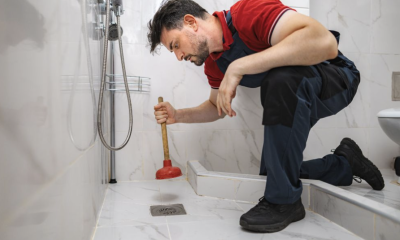
Plunging is surprisingly effective when done correctly. First, block any overflow outlets with a wet cloth to create proper suction. Fill the sink or tub with enough water to cover the plunger cup.
Place the plunger firmly over the drain opening, ensuring a tight seal. Push down slowly, then pull up sharply. Repeat this motion 15-20 times, maintaining the seal throughout. The pressure changes help dislodge the blockage.
Check if water drains freely. If not, repeat the process several times before moving to more intensive methods.
Using a Drain Snake for Stubborn PVC Pipe Blockages
When plunging fails, a drain snake becomes your best friend. Insert the snake into the drain opening and feed it slowly until you feel resistance. This is likely your blockage.
Rotate the handle clockwise while pushing forward to break through or hook the obstruction. Once you’ve worked through the blockage, slowly retract the snake, bringing debris with it. Run hot water for several minutes to flush remaining material.
Drain snakes are particularly effective for clearing blocked drain pipes affected by hair and soap buildup.
Drain Blockage Removal with a High-Pressure Hose
For outdoor drains and serious blockages, high-pressure water does the trick. Attach a jet nozzle to your garden hose and insert it into the drain. Turn on the water and feed the hose deeper as the pressure clears the path.
This method works brilliantly for clearing a clogged drain in external pipes where debris and leaves accumulate. The force of the water breaks apart compacted material and flushes it through the system.
Clogged Sinks and Drains: Room-by-Room Solutions
Blocking Sink Drain in the Kitchen: Grease and Food Buildup
Kitchen drains battle constant grease exposure. To fix clogged drain pipe issues here, start with boiling water and dish soap. The soap helps emulsify grease, making it easier to flush away.
For persistent problems, remove the P-trap (the curved pipe under the sink) and clean it manually. Place a bucket underneath first! Scrub the interior with a bottle brush and rinse thoroughly before reassembling.
Bathroom Drain Blockage Remover Techniques
Bathroom drains typically clog with hair and soap residue. Remove the drain cover and pull out any visible hair using needle-nose pliers or a zip-it tool. It’s gross but effective.
Follow up with the bicarbonate soda and vinegar treatment to dissolve soap scum. For shower drains, a drain snake reaches deeper blockages that accumulate over time.
Laundry Drain Issues: Lint and Soap Scum
Laundry drains face unique challenges from lint and detergent buildup. Install a lint trap on your washing machine discharge hose to prevent material entering the drain. Clean this trap after every few washes.
Flush the drain monthly with boiling water and use enzyme-based cleaners quarterly to break down accumulated residue.
Clearing a Clogged Drain from the Roof: What You Need to Know
Why Does a Roof Drain Pipe Get Clogged?
Australian weather brings particular challenges for roof drainage. Leaves, twigs, and debris blow onto roofs and wash into drains during storms. Possums and birds sometimes nest near drain openings, adding nesting materials to the mix.
Dust and pollen accumulate during dry spells, then form a sludgy mess when rain finally arrives. In coastal areas, salt spray can accelerate corrosion and create rough surfaces where debris catches easily.
Roof Drain Maintenance Tips for Australian Weather
Regular roof drain maintenance prevents major headaches. Inspect and clean roof drains at least twice yearly—before the wet season and after autumn leaf fall. Clear any visible debris from gutters and downpipes.
Check that water flows freely by running a hose into roof drains. If water backs up, you’ve found a blockage that needs attention before the next big storm hits.
Roof Drain Repair: When to DIY and When to Call a Professional
Minor roof drain issues like surface debris removal are safe DIY tasks. However, if the roof drain pipe clogged deeper in the system requires accessing difficult areas or working at heights, calling a professional is the smarter choice.
Signs you need expert help include persistent blockages despite cleaning, visible damage to pipes, or water staining on ceilings below the roof drainage system.
Choosing the Right Roof Water Drain Cover
A quality roof water drain cover prevents debris entering while allowing water flow. Look for covers with dome or grate designs that lift debris above the drain opening. Stainless steel options resist Australian weather conditions best.
Ensure covers fit securely and are easy to remove for cleaning. Check them regularly to confirm they haven’t become clogged themselves.
Can Chemical Drain Blockage Removers Damage Your Pipes?
Chemical drain cleaners offer quick results but come with risks. Harsh caustic chemicals generate heat that can soften PVC pipes and corrode older metal plumbing. Repeated use weakens pipe joints and seals over time.
These products also harm the environment when they eventually reach waterways. If you choose chemical solutions, use them sparingly and follow instructions precisely. Enzyme-based cleaners offer a gentler alternative that’s safer for your pipes and the planet.
When Should You Call a Professional for Drainage Blockage Removal?
Some situations demand professional expertise. If you’ve tried multiple methods without success, there’s likely a deeper issue requiring specialised equipment. Recurring blockages in the same location often indicate pipe damage or tree root intrusion.
Multiple drains blocking simultaneously suggests a main sewer line problem—definitely not a DIY job. Sewage backing up into your home presents health risks that require immediate professional attention.
How to Prevent Stopped Up Drains: Long-Term Maintenance Tips
Prevention beats cure every time. Use drain screens in all sinks and showers to catch debris before it enters pipes. Never pour grease down drains—collect it in containers for proper disposal.
Run hot water through drains weekly to prevent buildup. Monthly treatments with bicarbonate of soda keep pipes fresh. Avoid flushing anything except toilet paper and human waste.
Schedule annual professional inspections to catch developing problems early.
Keeping Your Drains Clear Year-Round
Dealing with clogged drains doesn’t have to be overwhelming. Armed with the right knowledge and tools, you can tackle most blockages yourself and save money on plumber callouts. The key is acting quickly when you notice warning signs rather than waiting for a complete blockage. If a problem persists or worsens, seeking professional help for Blocked Drains Woodvale can prevent costly damage and restore proper flow quickly.
Remember that prevention is your strongest defence against drainage problems. Simple habits like using drain guards, disposing of grease properly, and performing regular maintenance will keep your plumbing flowing freely. These small efforts compound into significant savings and fewer emergency situations.
Whether you’re clearing a clogged drain in your bathroom or maintaining your roof drainage system, consistency matters most. Treat your drains well, and they’ll serve you reliably for years to come. Now you’ve got the knowledge—it’s time to put it into action and say goodbye to blocked drains for good!



How the Best Corporate Training Programs Help Companies Stay Competitive
In the fast-moving markets of today’s world, companies need only the employees who can quickly learn new skills and adjust...

Step-by-Step Guide to Detecting and Clearing Blocked Drains
Have you ever noticed water pooling around your feet during a shower? What about that gurgling sound coming from your...


Navigating Finance Job Opportunities in Singapore’s Competitive Market
Career Opportunities Singapore are abundant, but the challenge lies in identifying the roles that truly match one’s skills and long-term...


Maximize Your Space: Room Dividers and Renovation Solutions
In Singapore, where living spaces are often compact, optimizing every square meter of your home is crucial. Homeowners are increasingly...


An Overview of Wire and Cables Manufacturers in India’s Market
India’s wire and cable industry is an essential component of the country’s infrastructure, industrial growth, and technology upgrade. The cable...


Why Facility and Energy Audits Matter in Modern Buildings
Running a building efficiently is no longer optional. In today’s world, where sustainability and operational costs go hand in hand,...


When Should You Visit a Foot Clinic? A Guide for Hawthorn Residents
Have you ever woken up with a nagging pain in your heel that just won’t shift? Or perhaps you’ve noticed...

Top 5 Innovative Uses of Emerald in Air Conditioning Systems
Have you ever wondered what makes some air conditioning systems stand out from the crowd? Are you curious about why...


Affordable and Efficient Mineral Water Supplier Services with Cold Water Dispensers
Staying hydrated is essential, whether at home or in the office. In Singapore, where the climate is warm and humid...


How Regular Car Service Appointments Improve Safety and Performance
Keeping your vehicle in top condition is essential not only for its reliability but also for your peace of mind...


Swimming Lessons Punggol: Private Swimming Lessons for Kids at Condo Pools
Life in Punggol has its own charm — a blend of modern living, family-friendly communities, and beautiful waterfront surroundings. Among...

Understanding Cooling and Protection Systems in Rectifier Transformers
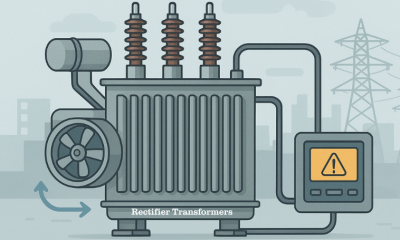
Cooling and protection systems that are efficient are crucial for the rectifier transformers’ performance and reliability. The systems are responsible...

Understanding The Essential Role And Importance Of Car Crankshaft Repairs
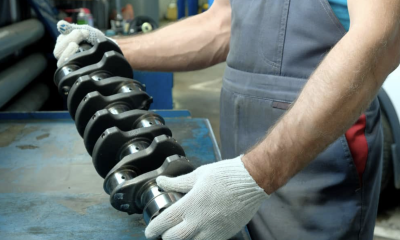
When it comes to vehicle maintenance, most drivers focus on visible elements like oil changes, brake pads, or tyres. However,...

Understanding The Advantages Of Teflon Drawer Slides In Furniture Design
Have you ever struggled to pull open a stubborn drawer, or winced at the loud clank of your old metal...


Small to Medium Enterprise Success in Indian Castings
Small and Medium Enterprises (SMEs) in India are basically the foundation of the country’s manufacturing unit and hence innovation, jobs...
-

 Tech11 years ago
Creating An e-Commerce Website
-

 Tech11 years ago
Design Template Guidelines For Mobile Apps
-

 Business6 years ago
What Is AdsSupply? A Comprehensive Review
-

 Business10 years ago
The Key Types Of Brochure Printing Services
-

 Tech8 years ago
When To Send Your Bulk Messages?
-

 Tech5 years ago
5 Link Building Strategies You Can Apply For Local SEO
-

 Law5 years ago
How Can A Divorce Lawyer Help You Get Through Divorce?
-

 Home Improvement6 years ago
Hоw tо Kеер Antѕ Out оf Yоur Kitсhеn