
Home Improvement
Advanced Techniques for Enhancing Soundproofing with Acoustic Foam
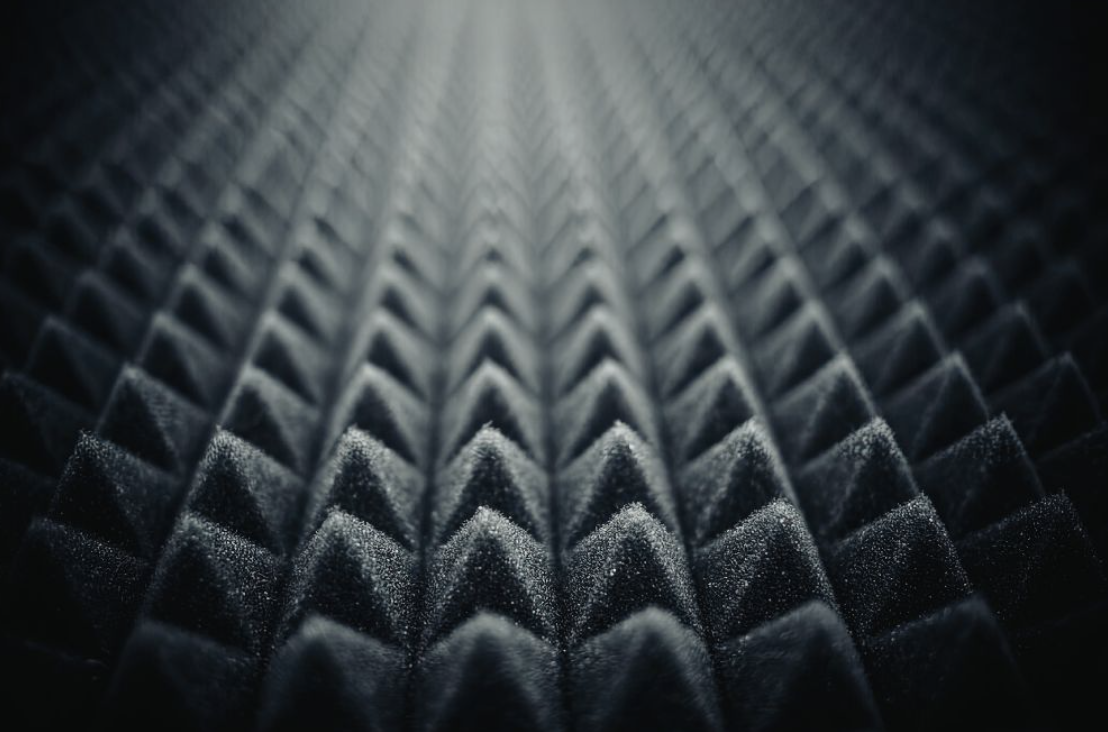
Ever wondered why your acoustic foam panels aren’t delivering the peace and quiet you expected? Perhaps you’ve covered an entire wall with soundproof foam, yet the neighbour’s dog still seems to be barking right inside your room? You’re not alone in this frustration.
Here’s the thing acoustic foam is brilliant at what it does, but most people don’t realise that basic installation barely scratches the surface of its potential. Simply sticking panels to your wall and hoping for the best won’t cut it when you’re serious about sound control. The real magic happens when you combine smart placement, strategic layering, and a solid understanding of how sound behaves in a space.
In this guide, we’ll explore advanced techniques that transform ordinary foam installations into genuinely effective soundproofing systems. You’ll discover why some approaches work better than others, learn how to identify problem areas in your room, and find out how to combine acoustic foam with other materials for maximum impact. Whether you’re setting up a home studio in Sydney, creating a peaceful bedroom in Melbourne, or building a podcast space in Brisbane, these techniques will help you get serious results.
Does Acoustic Foam Actually Soundproof a Room?
The Truth About Foam Limitations
Let’s get something straight—acoustic foam alone doesn’t soundproof a room in the traditional sense. It absorbs sound waves that bounce around inside a space, reducing echo and reverberation. However, it does very little to stop sound from travelling through walls, floors, or ceilings.
Think of it this way: acoustic foam is like a sponge for sound energy already in your room. It soaks up reflections and tames harsh frequencies, making speech clearer and music more defined. What it won’t do is block your teenage son’s drum practice from reaching the living room downstairs.
Combining Foam with Other Soundproofing Methods
The secret to effective soundproofing lies in combining absorption with mass. When you pair acoustic foam with denser materials like mass loaded vinyl (MLV) or heavy curtains, you create a system that both absorbs internal reflections and blocks external noise transmission.
This hybrid approach is what separates amateur setups from professional-grade installations. By understanding that foam handles the “inside” sound while heavier materials tackle the “outside” noise, you can build something that actually works.
Choosing the Right Acoustic Foam for Your Space
Foam Density and NRC Ratings Explained
Not all acoustic foam performs equally. The Noise Reduction Coefficient (NRC) rating tells you how much sound a material absorbs, rated from 0 to 1. A rating of 0.80 means the foam absorbs 80% of sound energy hitting it.
Density matters too. Higher-density foams (around 30-35 kg/m³) typically outperform cheaper, lighter alternatives. They last longer, maintain their shape better, and absorb more sound across a broader frequency range.
Comparing Pyramid, Wedge, and Egg Crate Profiles
Each profile serves slightly different purposes:
– Pyramid foam offers excellent mid-to-high frequency absorption and looks sleek in studios
– Wedge foam provides similar performance at a lower price point
– Egg crate profiles work well for lighter applications but often sacrifice durability
For serious soundproofing projects in Australian homes, pyramid or wedge profiles generally deliver the best results for the investment.
Strategic Placement Techniques for Maximum Sound Reduction
Identifying Reflection Points and Problem Areas
Here’s where many people go wrong—they cover random wall sections without considering how sound actually moves through their space. Sound waves bounce off hard surfaces like a ball bouncing off walls. The key is finding those reflection points.
Stand where you’ll typically be (your desk, recording position, or listening spot) and have someone hold a mirror flat against the wall. If you can see a speaker or sound source in the mirror, that’s a primary reflection point needing treatment.
How Much of a Wall Should Be Covered with Acoustic Foam?
Contrary to popular belief, you don’t need to cover every square centimetre. For most rooms, treating 25-40% of wall surfaces at strategic points delivers optimal results. Overdoing it creates an unnaturally “dead” room that feels uncomfortable and sounds strange.
Focus on first reflection points, corners (for bass traps), and the area directly behind speakers or monitors. This targeted approach often outperforms blanket coverage while using less material.
Advanced Installation Methods That Actually Work
Air Gap Technique for Enhanced Performance
One of the most underutilised techniques involves mounting foam with an air gap behind it. By leaving 25-50mm between the foam and the wall, you significantly improve low-frequency absorption.
This works because the air gap allows the foam to move slightly, converting more sound energy into heat. It’s particularly effective for home studios where bass frequencies typically cause the biggest headaches.
Layering Acoustic Foam with Mass Loaded Vinyl
For genuinely impressive results, consider layering MLV beneath your acoustic foam. Apply the MLV directly to the wall first, then mount your foam panels over the top. This combination tackles both sound transmission and internal reflections simultaneously.
Professional mounting systems with clips and channels make this easier than DIY solutions using adhesive, though both approaches can work well when done properly.
How Can I Make My Acoustic Foam More Effective?
Combining Foam with Bass Traps for Low-Frequency Control
Standard acoustic foam struggles with bass frequencies. Those deep, rumbling sounds have longer wavelengths that pass right through thin foam panels. That’s where bass traps come in.
Installing bass traps in room corners—where low frequencies naturally accumulate complements your wall-mounted foam perfectly. This combination handles the full frequency spectrum rather than leaving bass untreated.
Sealing Gaps and Addressing Weak Points
Sound is sneaky. It finds the smallest gaps around doors, windows, and electrical outlets. Even the best foam installation fails if you’ve ignored these weak points.
Weatherstripping around doors, acoustic caulk around window frames, and outlet covers can make a noticeable difference. Remember, your soundproofing is only as strong as its weakest point.
Room-Specific Applications in Australian Homes and Studios
Home Recording Studios and Podcast Rooms
Australian content creators are increasingly building dedicated recording spaces at home. For these applications, focus on creating a controlled acoustic environment rather than complete sound isolation.
Treat first reflection points, add bass traps to corners, and consider a portable vocal booth for close-miking situations. This setup delivers professional-quality recordings without expensive construction work.
Home Theatres and Entertainment Spaces
Home theatre rooms benefit from a different approach. You want to reduce flutter echoes and control bass response without killing the room’s natural liveliness. Strategic placement behind seating positions and at side reflection points typically works best.
Bedrooms and Home Offices Near Busy Roads
For bedrooms facing busy Melbourne or Sydney streets, combine acoustic foam with heavy curtains and weather-stripped windows. The foam handles internal reflections while the curtains and sealing address external traffic noise.
Common Mistakes That Undermine Your Soundproofing Efforts
Over-Dampening and Dead Room Syndrome
More isn’t always better. Covering every surface creates an uncomfortable, almost claustrophobic acoustic environment. Speech sounds unnatural, and music loses its life and energy.
Aim for balance. You want to control problematic reflections while maintaining enough natural ambience to feel comfortable.
Ignoring Doors, Windows, and Ventilation Points
That gap under your door? It’s essentially an open highway for sound. No amount of wall treatment compensates for untreated doors and windows. Solid-core doors, proper seals, and acoustic curtains often make bigger differences than additional foam panels.
Is Thicker Acoustic Foam Better for Soundproofing?
Understanding Thickness vs Frequency Absorption
Thickness directly relates to which frequencies foam absorbs effectively. Thicker foam (75-100mm) handles lower frequencies better than thin panels (25mm). However, thicker isn’t automatically better for every situation.
For voice recording and general room treatment, 50mm foam typically provides excellent results. Music studios dealing with instruments often benefit from investing in thicker panels or dedicated bass traps for low-end control.
Maintaining Your Acoustic Foam for Long-Term Performance
Acoustic foam requires minimal maintenance, but a bit of care extends its lifespan significantly. Vacuum panels gently every few months to remove dust buildup, which can reduce absorption efficiency over time.
Keep foam away from direct sunlight, which degrades the material faster. In humid Australian coastal areas, ensure adequate ventilation to prevent moisture damage.
Building a Truly Effective Soundproofing Solution
Creating genuinely effective soundproofing with soundproof foam requires more than simply sticking panels to your walls. It involves understanding how sound behaves, identifying problem areas, and combining multiple techniques for the best results.
The techniques we’ve covered—from air gap mounting to layering with mass loaded vinyl, and from strategic placement to addressing weak points—help transform basic foam setups into high-performing systems. While soundproof foam is excellent for absorbing echo and improving acoustics, pairing it with denser materials adds the blocking power needed for true sound isolation.
Whether you’re building a podcast studio in Perth, treating a home office in Adelaide, or creating a peaceful bedroom in regional Queensland, these advanced methods can help you achieve professional-quality outcomes. Start with the basics, assess your specific noise challenges, and gradually build a system that works for your space using the right soundproof foam solutions.



Advanced Techniques for Enhancing Soundproofing with Acoustic Foam
Ever wondered why your acoustic foam panels aren’t delivering the peace and quiet you expected? Perhaps you’ve covered an entire...


Used Cars with Finance in 2026: Why More Indians Are Choosing EMIs Over Cash to Buy Their Next Car
The Indian automobile market has undergone complete transformation during the past ten years particularly because of the growth in used...

Practical Tips for Effective Asphalt Repairs
Have you noticed cracks spreading across your driveway like spider webs? Perhaps there’s a pothole forming that seems to grow...


How to Secure Prime Land for Sale: A Complete Guide
Ever wondered why some investors seem to snap up the best land before it even hits the market? Have you...

Strategic Monitoring Solutions with Proximity Sensors and Power Meters
In modern industrial environments, accurate monitoring is essential to ensure operational efficiency, safety, and energy management. Two devices that have...

What Services Perth Bookkeeping Professionals Provide to Local Businesses
There are many daily financial activities involved in running a business, and they need proper organization. When financial records remain...


How Franchise Veterinary Companies Create Strong and Reliable Veterinary Product Networks
Animal health services expand through robust supply chain connectivity between farms, clinics, and distributors in many parts of the world...


Smart Growth Path: Why Partnering with a Veterinary Pharma Franchise Company Makes Business Sense
Animal health businesses are an expanding industry due to the increasing livestock care and pet awareness. The markets associated with...


How the Best Corporate Training Programs Help Companies Stay Competitive
In the fast-moving markets of today’s world, companies need only the employees who can quickly learn new skills and adjust...

Step-by-Step Guide to Detecting and Clearing Blocked Drains
Have you ever noticed water pooling around your feet during a shower? What about that gurgling sound coming from your...


Navigating Finance Job Opportunities in Singapore’s Competitive Market
Career Opportunities Singapore are abundant, but the challenge lies in identifying the roles that truly match one’s skills and long-term...

Maximize Your Space: Room Dividers and Renovation Solutions
In Singapore, where living spaces are often compact, optimizing every square meter of your home is crucial. Homeowners are increasingly...


An Overview of Wire and Cables Manufacturers in India’s Market
India’s wire and cable industry is an essential component of the country’s infrastructure, industrial growth, and technology upgrade. The cable...


Why Facility and Energy Audits Matter in Modern Buildings
Running a building efficiently is no longer optional. In today’s world, where sustainability and operational costs go hand in hand,...


When Should You Visit a Foot Clinic? A Guide for Hawthorn Residents
Have you ever woken up with a nagging pain in your heel that just won’t shift? Or perhaps you’ve noticed...
-

 Tech11 years ago
Creating An e-Commerce Website
-

 Tech11 years ago
Design Template Guidelines For Mobile Apps
-

 Business6 years ago
What Is AdsSupply? A Comprehensive Review
-
 Business10 years ago
The Key Types Of Brochure Printing Services
-

 Tech9 years ago
When To Send Your Bulk Messages?
-

 Tech6 years ago
5 Link Building Strategies You Can Apply For Local SEO
-

 Law5 years ago
How Can A Divorce Lawyer Help You Get Through Divorce?
-
 Home Improvement6 years ago
Hоw tо Kеер Antѕ Out оf Yоur Kitсhеn
You must be logged in to post a comment Login