
General
Strategic Monitoring Solutions with Proximity Sensors and Power Meters
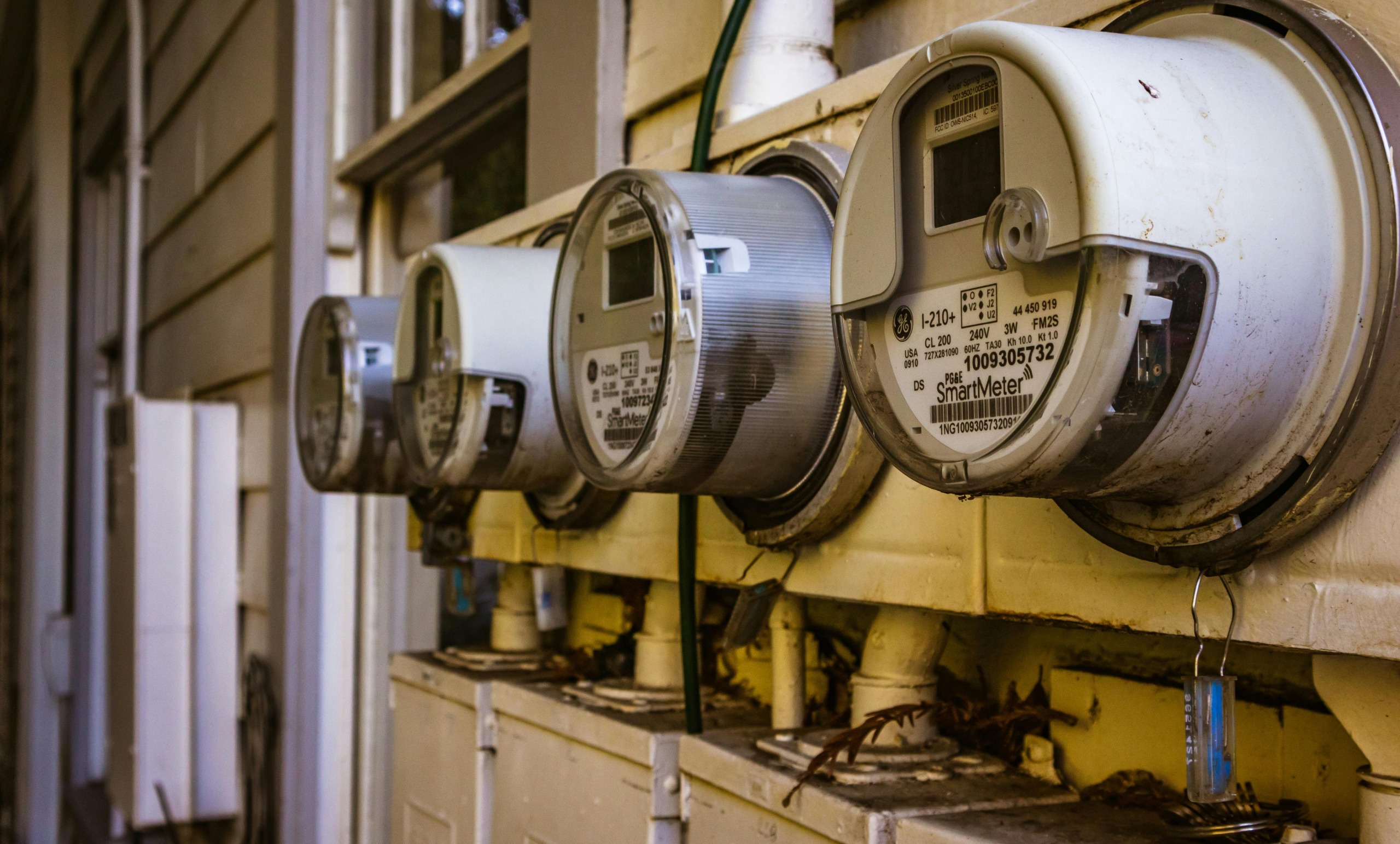
In modern industrial environments, accurate monitoring is essential to ensure operational efficiency, safety, and energy management. Two devices that have become indispensable in industrial monitoring are the Proximity Sensor and the Power Meter. When integrated effectively, these devices provide critical insights into equipment performance, prevent potential failures, and optimize energy usage, making them essential tools for industrial automation and management.
Understanding Proximity Sensors
A Proximity Sensor is a device that detects the presence, absence, or movement of an object without requiring physical contact. This non-contact detection capability allows machinery to operate smoothly while minimizing wear and tear.
Key advantages of proximity sensors include:
- Accurate Detection: Proximity sensors can identify objects at precise distances, enabling accurate automation processes.
- Durability: Since they operate without direct contact, proximity sensors are less susceptible to mechanical damage, reducing maintenance needs.
- Versatility: Available in various types—inductive, capacitive, ultrasonic, and photoelectric—proximity sensors can monitor different materials, including metals, liquids, and plastics.
Industries commonly use proximity sensors in conveyor systems, robotic arms, packaging machines, and safety interlocks. By detecting objects reliably, these sensors enhance operational precision and reduce downtime caused by mechanical errors.
Understanding Power Meters
A Power Meter is a device that measures electrical parameters such as voltage, current, power consumption, and energy efficiency. These meters provide real-time data, allowing businesses to track energy usage, identify inefficiencies, and plan maintenance schedules.
Key benefits of power meters include:
- Energy Monitoring: Power meters track consumption patterns, helping companies implement energy-saving strategies.
- Fault Detection: Sudden fluctuations in current or voltage can signal equipment issues, allowing preventive measures before serious failures occur.
- Data-Driven Decisions: Continuous monitoring offers actionable insights that guide operational adjustments and reduce unnecessary energy expenditure.
Power meters are widely applied in manufacturing plants, HVAC systems, and commercial buildings, where efficient energy management is critical to operational sustainability.
How Proximity Sensors and Power Meters Work Together
When integrated, Proximity Sensors and Power Meters offer a comprehensive monitoring solution. Proximity sensors detect the presence or position of machinery components or products, while power meters measure the energy consumed during operations. This combination allows facility managers to correlate operational activity with energy usage, enabling more strategic decision-making.
Practical applications include:
- Production Line Automation: Proximity sensors monitor part positioning, and power meters track energy usage for each machine. This ensures production efficiency while identifying energy-intensive processes.
- Motor and Equipment Monitoring: Proximity sensors detect movement or operational status, and power meters measure the load on motors. This dual feedback can prevent overloading and extend equipment lifespan.
- Predictive Maintenance: By combining position and energy data, maintenance teams can predict wear or potential failures, minimizing unplanned downtime and improving safety.
- Energy Optimization: Facility managers can analyze patterns from power meters and adjust operational parameters based on proximity sensor feedback, ensuring that machines operate only when necessary.
Integrating these devices provides industrial operators with actionable insights that enhance efficiency, reduce energy costs, and improve system reliability.
Practical Considerations for Implementation
When deploying Proximity Sensors and Power Meters, several factors should be considered:
- Device Compatibility: Ensure sensors and meters match the operational voltage, current, and environmental conditions of the facility.
- Environmental Factors: Sensors should withstand dust, humidity, temperature fluctuations, and vibration. Power meters should have appropriate accuracy and range for the monitored loads.
- Integration with Automation Systems: Both devices should communicate effectively with PLCs, SCADA systems, or other industrial control frameworks for coordinated operation.
- Maintenance and Accessibility: Install devices in locations that are easy to inspect and service without disrupting ongoing operations.
- Data Analysis Capability: Choose power meters and sensors that provide actionable data and can integrate with analytics platforms for decision-making.
Considering these aspects ensures long-term reliability and maximizes the benefits of combining proximity sensors and power meters.
Conclusion
Proximity Sensors and Power Meters are essential tools for modern industrial monitoring and control. Proximity sensors provide accurate, non-contact detection that improves operational precision, while power meters offer detailed insights into energy usage and system performance. Together, they create a strategic monitoring solution that enhances safety, reduces downtime, and promotes energy efficiency. For businesses seeking dependable industrial monitoring solutions, PCP Electrics offers a comprehensive range of proximity sensors and power meters engineered to deliver precision, reliability, and actionable insights in every application.


Strategic Monitoring Solutions with Proximity Sensors and Power Meters
In modern industrial environments, accurate monitoring is essential to ensure operational efficiency, safety, and energy management. Two devices that have...


What Services Perth Bookkeeping Professionals Provide to Local Businesses
There are many daily financial activities involved in running a business, and they need proper organization. When financial records remain...


How Franchise Veterinary Companies Create Strong and Reliable Veterinary Product Networks
Animal health services expand through robust supply chain connectivity between farms, clinics, and distributors in many parts of the world...


Smart Growth Path: Why Partnering with a Veterinary Pharma Franchise Company Makes Business Sense
Animal health businesses are an expanding industry due to the increasing livestock care and pet awareness. The markets associated with...


How the Best Corporate Training Programs Help Companies Stay Competitive
In the fast-moving markets of today’s world, companies need only the employees who can quickly learn new skills and adjust...


Step-by-Step Guide to Detecting and Clearing Blocked Drains
Have you ever noticed water pooling around your feet during a shower? What about that gurgling sound coming from your...


Navigating Finance Job Opportunities in Singapore’s Competitive Market
Career Opportunities Singapore are abundant, but the challenge lies in identifying the roles that truly match one’s skills and long-term...


Maximize Your Space: Room Dividers and Renovation Solutions
In Singapore, where living spaces are often compact, optimizing every square meter of your home is crucial. Homeowners are increasingly...

An Overview of Wire and Cables Manufacturers in India’s Market
India’s wire and cable industry is an essential component of the country’s infrastructure, industrial growth, and technology upgrade. The cable...


Why Facility and Energy Audits Matter in Modern Buildings
Running a building efficiently is no longer optional. In today’s world, where sustainability and operational costs go hand in hand,...


When Should You Visit a Foot Clinic? A Guide for Hawthorn Residents
Have you ever woken up with a nagging pain in your heel that just won’t shift? Or perhaps you’ve noticed...

Top 5 Innovative Uses of Emerald in Air Conditioning Systems
Have you ever wondered what makes some air conditioning systems stand out from the crowd? Are you curious about why...


Affordable and Efficient Mineral Water Supplier Services with Cold Water Dispensers
Staying hydrated is essential, whether at home or in the office. In Singapore, where the climate is warm and humid...


How Regular Car Service Appointments Improve Safety and Performance
Keeping your vehicle in top condition is essential not only for its reliability but also for your peace of mind...


Swimming Lessons Punggol: Private Swimming Lessons for Kids at Condo Pools
Life in Punggol has its own charm — a blend of modern living, family-friendly communities, and beautiful waterfront surroundings. Among...
-

 Tech11 years ago
Creating An e-Commerce Website
-

 Tech11 years ago
Design Template Guidelines For Mobile Apps
-

 Business6 years ago
What Is AdsSupply? A Comprehensive Review
-

 Business10 years ago
The Key Types Of Brochure Printing Services
-

 Tech8 years ago
When To Send Your Bulk Messages?
-

 Tech5 years ago
5 Link Building Strategies You Can Apply For Local SEO
-

 Law5 years ago
How Can A Divorce Lawyer Help You Get Through Divorce?
-

 Home Improvement6 years ago
Hоw tо Kеер Antѕ Out оf Yоur Kitсhеn
You must be logged in to post a comment Login